What Every Driver Should Do Immediately After a Car Accident

A car accident happens in a split second, but the actions you take in the ten minutes immediately following the impact can affect your physical health, your legal rights, and your financial well-being for years to come. The sudden rush of adrenaline can cloud your judgment, making it difficult to think clearly. In the chaotic aftermath of a crash, panic often leads drivers to make critical mistakes, such as admitting fault prematurely or forgetting to gather vital documentation.
A systematic roadmap removes guesswork from a high-stress situation, allowing you to maintain control, handle medical needs, and streamline subsequent insurance or restoration choices. This comprehensive, step-by-step guide walks you through the immediate and long-term actions required after an incident, providing actionable tips to help you handle the situation like a seasoned professional.
Prioritize Personal Safety and Medical Needs
The absolute first priority following any collision is the preservation of life and health. Adrenaline is a powerful chemical that can completely mask severe pain and internal injuries immediately after an impact. Before you even think about checking the exterior of your vehicle or arguing with the other driver, you must stabilize the environment and evaluate the physical condition of everyone involved in the crash.
If your vehicle is operational and you are stranded in traffic on a fast-moving highway, pull onto the nearest shoulder or nearby parking lot to avoid secondary collisions. Turn off the engine, engage your emergency parking brake, and switch on your hazard lights immediately to alert oncoming motorists.
Actionable Tips for Ensuring Immediate Safety
-
Conduct a thorough internal physical assessment: Before unbuckling your seatbelt, check your body and passengers for signs of pain, bleeding, dizziness, or numbness. Avoid moving anyone who complains of intense neck or back pain unless keeping them in the vehicle poses an immediate, life-threatening danger.
-
Establish a visible safety perimeter: If you must exit the vehicle to inspect damage, do so only when traffic permits. If you carry emergency road flares, reflective triangles, or safety vests in your trunk, deploy them far behind your vehicle to give distracted drivers plenty of advance warning.
-
Seek professional emergency care immediately: For severe impacts, deep lacerations, or any loss of consciousness, call 911 right away. Requesting immediate dispatch to the closest emergency hospital ensures that critical injuries are stabilized by trauma specialists within the golden hour of care.
-
Invest in preventive skills for the future: Once the immediate crisis has passed and your vehicle is undergoing repairs, consider enrolling in a certified defensive driving course to sharpen your hazard-avoidance techniques, reduce your insurance premiums, and lower your risk of experiencing a future collision.
Document the Scene and Gather Crucial Evidence
Once physical safety is established and medical assistance is en route, your next objective is to transform into an objective investigator. The physical layout of an accident scene changes rapidly. Tow trucks will soon arrive to clear vehicles, emergency crews will wash away debris, and traffic will resume its normal flow, obliterating valuable evidence in the process. You must collect comprehensive data while the scene remains completely untouched.
Keep conversations with other parties brief and professional. Avoid saying phrases like “I am so sorry,” which can be legally interpreted as an admission of fault by insurance adjusters. Focus strictly on exchanging essential data points.
Actionable Tips for Evidence Collection
-
Capture dynamic photographic evidence: Use your smartphone camera to document the entire layout of the scene. Photograph the wide perspective of the roadway, the exact positions of all vehicles, skid marks on the pavement, broken glass, traffic signs, weather indicators, and the deployed airbags inside the cabin.
-
Exchange a standardized package of information: Collect the full names, phone numbers, email addresses, driver’s license numbers, insurance company names, and policy numbers from every driver involved. If there are neutral bystanders who witnessed the crash, politely ask for their contact information as well.
-
Separate pre-existing blemishes from fresh impact damage: Carefully document all angles of your vehicle’s exterior. This comprehensive documentation prevents insurance adjusters from claiming your accident-related issues were pre-existing, while also ensuring old, unrelated damage, like an isolated door ding repair, is not erroneously added to the current claim.
-
Consult with specialized legal representation: If there is a dispute regarding fault, or if you are facing mounting medical bills and lost wages, hand your compiled evidence directly to qualified car accident lawyers who can protect your rights and handle communications with aggressive insurance corporations on your behalf.
File Official Reports and Notify Insurers
With your evidence secured, the next logical step is to formalize the event through official legal and insurance channels. Many drivers are tempted to handle minor fender benders privately without involving the authorities or their insurance providers to avoid premium hikes. This is an incredibly risky gamble that often backfires when the other driver changes their story later or claims whiplash days after the event.
Always call the police to the scene of an accident, regardless of how minor the property damage appears. If the police department is short-staffed and declines to send an officer to a minor, non-injury accident, drive directly to the nearest precinct to file an over-the-counter motorist report. This document provides an official, neutral, third-party timestamp of the collision.
Actionable Tips for Formally Reporting the Incident
-
Provide an accurate and objective statement: When speaking with responding law enforcement officers, stick strictly to the facts. State what you saw, what direction you were traveling, and how fast you were going, but do not guess metrics you are unsure of. If you do not know the answer to a question, simply say “I am not sure.”
-
Initiate the claims process promptly: Contact your insurance provider within a few hours of the accident to open a claim file. Provide them with the police report number and the contact information you collected at the scene, which allows their internal adjusters to begin negotiating with the other party’s insurance company.
-
Review your policy for non-collision benefits: Ask your insurance agent to clarify the exact parameters of your comprehensive coverage. Some policies contain useful add-on benefits that cover minor cosmetic restorations, such as paintless dent repair, which can restore your vehicle panels without requiring a full repaint.
Assess Mechanical and Structural Vehicle Damage
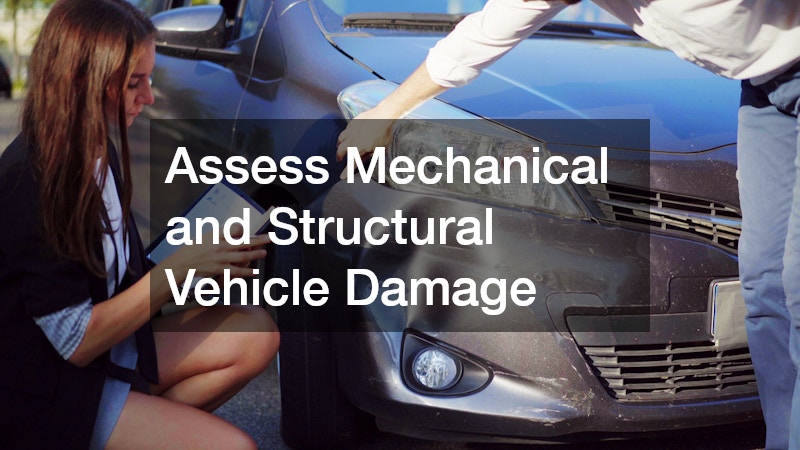
A vehicle that appears completely drivable from an aesthetic standpoint can still suffer from severe, hidden structural or mechanical failures that make it an invisible hazard on the open road. Modern vehicles feature complex crumple zones that absorb kinetic impact energy, which frequently causes internal components to break while the outer plastic bumper snaps back into place seamlessly.
Before you attempt to drive your vehicle away from the scene of an accident, you must perform a rigorous mechanical assessment. Operating a car with a compromised steering column, bent suspension components, or leaking fluid lines can lead to a sudden catastrophic failure at high speeds, endangering your life and the lives of those around you.
Actionable Tips for Assessing Hidden Vehicle Damage
-
Inspect the undercarriage and engine bay: Pop the hood and inspect the radiator, hoses, and battery connections for signs of shifting or cracking. Look beneath the front bumper for active puddles of green coolant, dark brown engine oil, or amber brake fluid, all of which indicate severe internal system breaches.
-
Verify wheel and tire clearance: Walk around the perimeter of the car and look closely at the wheel wells. Ensure that bent sheet metal, plastic liners, or broken bumper clips are not pressing directly against the rubber tires, which can cause an automotive tire blowout once the vehicle accelerates.
-
Seek an expert diagnostic scan: Take your vehicle directly to a certified auto mechanic as soon as possible. Modern vehicles utilize intricate electrical frameworks, and a professional mechanic can plug a diagnostic computer into your car’s onboard system to read hidden fault codes triggered by the impact.
-
Evaluate comprehensive systemic health: Even if your vehicle seems to steer straight, hidden structural damage to the unibody frame can completely ruin your car’s handling and safety ratings, necessitating a thorough multi-point inspection from a technician who specializes in advanced auto repair services.
Choose the Right Restoration and Body Specialists
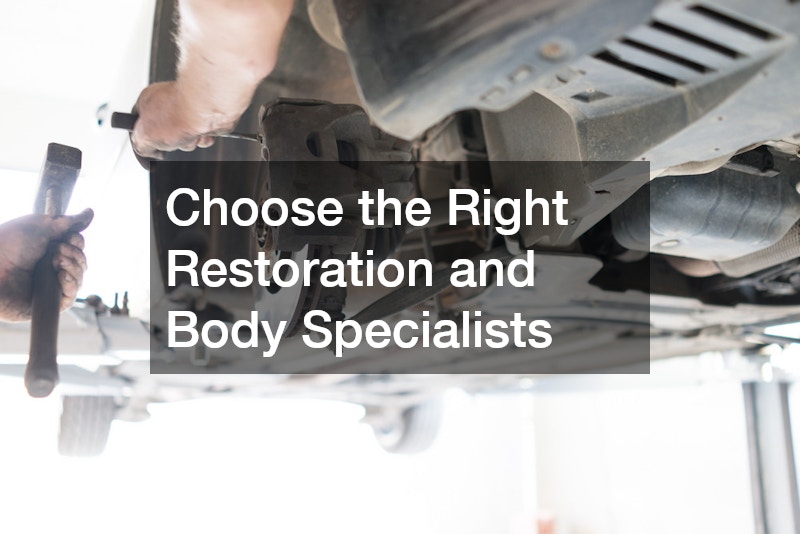
Once your vehicle has been structurally evaluated and deemed safe for transport, you must select a professional repair facility to restore it to factory-specification standards. It is a common misconception among policyholders that they are legally required to use the specific direct-repair facility recommended by their insurance provider. In reality, you possess the absolute legal right to choose any repair shop you trust.
Insurance companies often steer clients toward corporate partner shops that utilize cost-cutting techniques, such as using alternative aftermarket components rather than original factory pieces. Finding an independent, highly rated facility ensures that your vehicle is restored using parts that meet exact structural safety guidelines.
Actionable Tips for Selecting Body Repair Specialists
-
Investigate facility certifications and training: Look for repair facilities that hold prestigious industry recognitions, such as I-CAR certifications. These credentials demonstrate that the technicians undergo continuous training to handle advanced materials like ultra-high-strength steel and carbon fiber.
-
Read independent consumer reviews thoroughly: Look beyond the promotional material on a shop’s website and investigate independent review platforms. Pay close attention to how past customers describe the shop’s communication style, their adherence to initial timelines, and the longevity of their paint finishes.
-
Demand a detailed written estimate: Before authorizing any teardown or reconstruction work, request a comprehensive itemized estimate from a reputable auto body shop. This document should explicitly outline the labor rates, paint costs, and structural alignment fees required to complete the restoration.
-
Ensure comprehensive structural restoration: If your car sustained a significant side or front-end impact, verify that the facility utilizes computerized frame-alignment machinery. Entrusting your vehicle to a certified collision repair service guarantees that the unibody frame is restored to millimeter-precise factory specifications.
Handle Minor Touch-Ups and Convenient Cosmetic Fixes

Not every vehicular mishap involves a high-speed highway collision that leaves a car completely immobilized. Frequently, accidents manifest as low-speed parking lot scrapes, minor backing incidents, or superficial cosmetic blemishes that leave the underlying mechanical and structural components completely unharmed. In these scenarios, the restoration process focuses entirely on aesthetics, convenience, and preserving resale value.
When dealing with superficial sheet metal creases, traditional auto body work can be time-consuming. Conventional methods involve grinding your vehicle’s factory finish and applying body filler, which can disrupt paint uniformity.
Actionable Tips for Cosmetic Restoration
-
Prioritize paint-preservation techniques: If the paint inside a dented area remains completely uncracked and intact, look for specialized alternatives to traditional body filler. Utilizing non-invasive metal manipulation techniques allows technicians to gently massage the dent out from behind the panel, preserving your original factory paint job.
-
Maximize schedule flexibility with on-site services: If you have a demanding career or family schedule that prevents you from leaving your vehicle at a traditional repair shop for days at a time, look into flexible alternatives. Booking a certified mobile dent repair technician allows you to have minor panel damage corrected right in your home driveway or office parking space while you go about your day.
-
Act quickly to prevent long-term corrosion: Do not ignore minor scratches or small dings just because they seem purely cosmetic. Even a tiny fracture in your vehicle’s protective clear coat can allow moisture to seep underneath the paint, leading to hidden rust formation that can rapidly destroy the surrounding sheet metal over time.
Conclusion
Experiencing a car accident is undeniably an exhausting, high-stress event that can completely disrupt your week and shatter your peace of mind. The immediate aftermath is often filled with confusion, frantic phone calls, and intense emotional strain. However, reacting with a clear, systematic approach allows you to transform a chaotic situation into an organized, manageable recovery process.
By prioritizing physical safety, gathering ironclad photographic and written evidence, and reporting the incident correctly, you insulate yourself from unfair financial and legal liabilities. Furthermore, taking control of your vehicle’s recovery by seeking out certified diagnostic technicians and elite restoration specialists ensures your car returns to the road in safe, pristine condition. Stay calm, execute the necessary steps methodically, and remember that protecting your health and your rights is the ultimate measure of success after any roadside incident.