The Anatomy of a Heavy Wrecker Boom Capacity, Winches, and Integrated Underlifts
Understanding the Engineering Powerhouse Behind Heavy Recovery
When a fully loaded semi-truck, a commercial transit bus, or heavy construction machinery breaks down or suffers a highway accident, standard towing vehicles are simply insufficient for the job. Managing extreme weights and complex recovery scenarios requires specialized equipment engineered for massive load capacities and precise mechanical control. Modern heavy wreckers serve as the backbone of commercial towing operations, combining massive structural frame strength with advanced hydraulic systems to manage challenging recovery tasks safely. Understanding the core structural components of these recovery powerhouses—including boom capacity, heavy-duty winch systems, and integrated underlifts—highlights how professional operators execute complex highway recoveries without causing further damage to valuable commercial assets.
Having these advanced capabilities on standby gives fleet operators immense confidence during unpredictable long-haul transit events. Reliable recovery equipment minimizes downtime for logistics companies, keeping vital supply chains moving efficiently.
Analyzing Boom Capacity and Structural Load Ratings
The boom is the central structural extension of a recovery vehicle, designed to elevate, hold, and maneuver heavy commercial loads during complex rescue operations. Fabricated from high-tensile, heat-treated steel, these heavy wreckers feature boom capacities that range from 25 tons to upwards of 75 tons or more. Structural booms operate via high-pressure hydraulic cylinders that allow operators to extend, retract, and adjust boom elevation under massive weight loads. In critical situations like an overturned tractor-trailer, the boom provides the essential overhead clearance and leverage required to upright the rig safely. Calculating dynamic weight distribution and ensuring the boom operates within its certified weight rating prevents structural fatigue and guarantees safe, controlled lifting on active highway lanes. Operating within these rigorous structural limits protects both the recovery crew and the surrounding traffic. Proper load balance calculations prevent accidental equipment tipping during high-angle overhead lifts.
Demystifying Heavy-Duty Winch Systems and Cable Rigging
Mechanical lifting power is only as effective as the cable and spooling systems used to draw heavy loads toward the recovery vehicle. Heavy-duty winch systems mounted on commercial recovery rigs utilize dual-drum configurations capable of pulling between 30,000 and over 50,000 pounds per line. These winches feed high-strength, rotation-resistant steel wire cables through heavy-duty snatch blocks to multiply mechanical pulling power exponentially. By altering rigging angles and utilizing mechanical advantage, operators can safely drag fully loaded commercial trailers out of steep highway ditches or soft terrain. Advanced hydraulic control valves enable operators to adjust line speed and tension with extreme precision, preventing sudden cable snapping or dangerous load shifts during high-stakes winch-out operations. Mastering these precise tension controls ensures smooth extractions even under the most demanding environmental conditions. Routine inspections of cable integrity guarantee that winching assemblies perform flawlessly under peak tension forces.
The Role of Integrated Underlifts in Safe Vehicle Transport
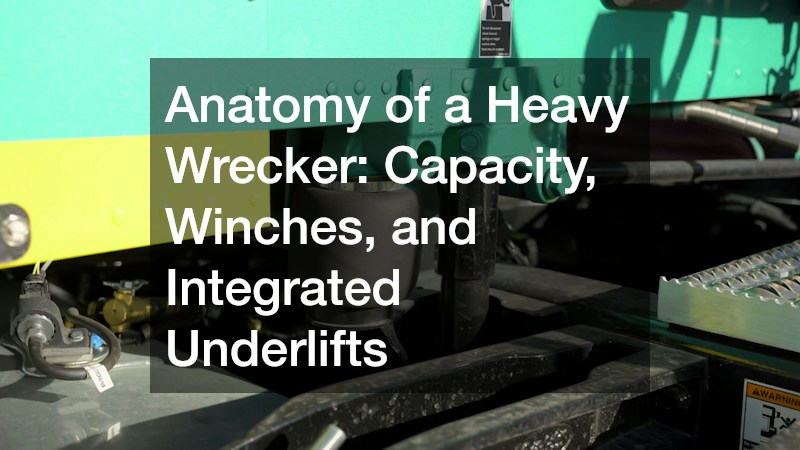
Once a disabled vehicle is recovered or uprighted, it must be transported safely to a repair facility without damaging its frame, bumper, or steering assemblies. Integrated underlifts are specialized hydraulic booms mounted low on the rear of the towing chassis, designed to extend beneath the axles or frame rails of the disabled truck. Equipped with heavy-duty tire cradles, frame forks, and L-arms, the underlift grips the casualty vehicle’s suspension components securely before elevating its front or rear wheels entirely off the ground. Because modern commercial vehicles feature delicate fiberglass fairings and low-clearance front bumpers, integrated underlifts provide crucial clearance while transferring the towed load’s weight directly to the tow truck’s heavy-duty drive axles. This specialized wheel-lift engagement eliminates structural strain on fragile body panels during long-distance highway hauls.
Outriggers and Stability Control Systems
Lifting and winching tens of thousands of pounds creates immense leverage that could easily tilt or tip a towing vehicle if stability is not strictly maintained. To counteract these extreme dynamic forces, heavy wreckers utilize heavy-duty hydraulic outriggers—often called stabilizers—that extend outward and anchor directly onto the pavement or ground surface. These wide-stance outriggers effectively expand the vehicle’s functional footprint, shifting the center of gravity downward and transferring the load’s stress away from the truck’s tires and suspension. Ground spades attached to the bottom of the outriggers dig into soft soil or asphalt, preventing the tow truck from sliding backward during heavy winching pulls in mud, snow, or rain. Establishing a rock-solid foundation prevents hazardous shifts during high-tonnage lateral pulls.
Maximizing Efficiency with Advanced Recovery Equipment
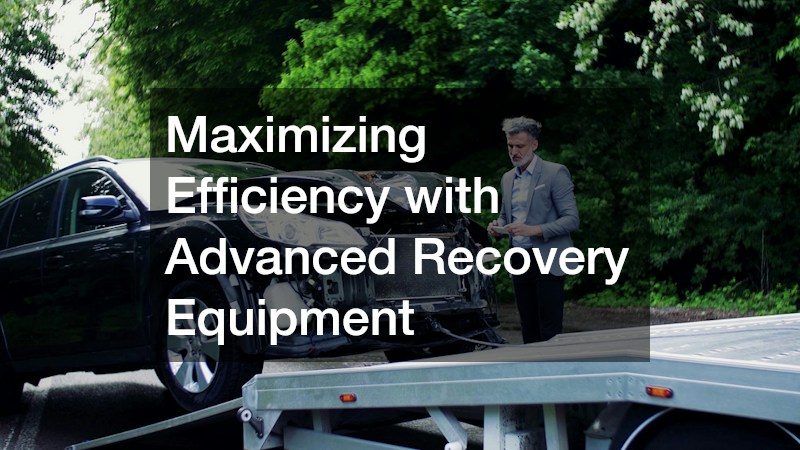
Modern commercial recovery is an intricate blend of mechanical engineering, physics, and operator skill. Every component on a heavy wrecker—from the high-capacity hydraulic boom and multi-gear winches to the precision integrated underlift and grounding outriggers—works in total harmony to solve extreme logistics challenges on the road. Utilizing well-maintained, high-capacity equipment allows recovery teams to clear major highway blockages quickly, minimizing costly traffic delays and protecting valuable commercial freight. Investing in advanced recovery infrastructure ensures that no matter how complex or heavy a roadside emergency becomes, commercial fleets can rely on safe, efficient recovery services to keep transportation networks moving smoothly. Ultimately, these heavy-duty machines remain vital tools for preserving highway safety and maintaining uninterrupted supply chain logistics. Continuing investment in operator training maximizes the performance capabilities of these powerful recovery rigs.